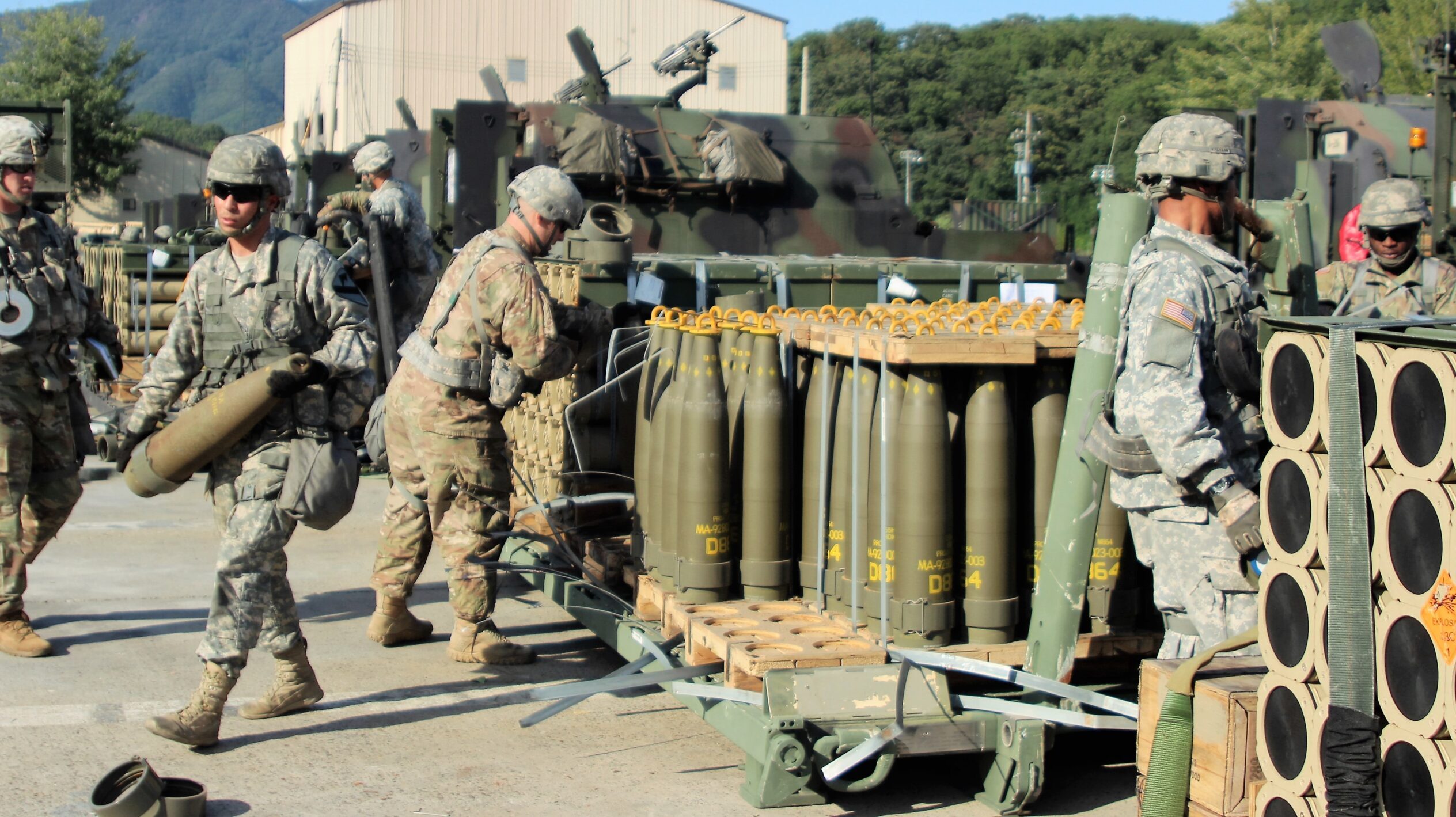
Army ‘hitting stride’ with 155mm production, but general worries over what’s needed next
When it comes to predicting the needs of future conflicts, Maj. Gen. John Reim said, “the Army’s gotten it wrong 100 percent of the time.”
“By far, the most difficult thing [has] been pulling together these different pieces and parts, and mapping supply chains and onshoring all of this education back to the United States,” said Union co-founder Joe Musselman.
CDAO’s Advana data analytics platform is ingesting data from about 500 DoD business systems.
The Army's Unfunded Priorities List features, for instance, an additional $581 million for small drones and counter-unmanned aerial systems, as both are “changing faster than our budget can react," according to Army Chief of Staff Gen. Randy George.
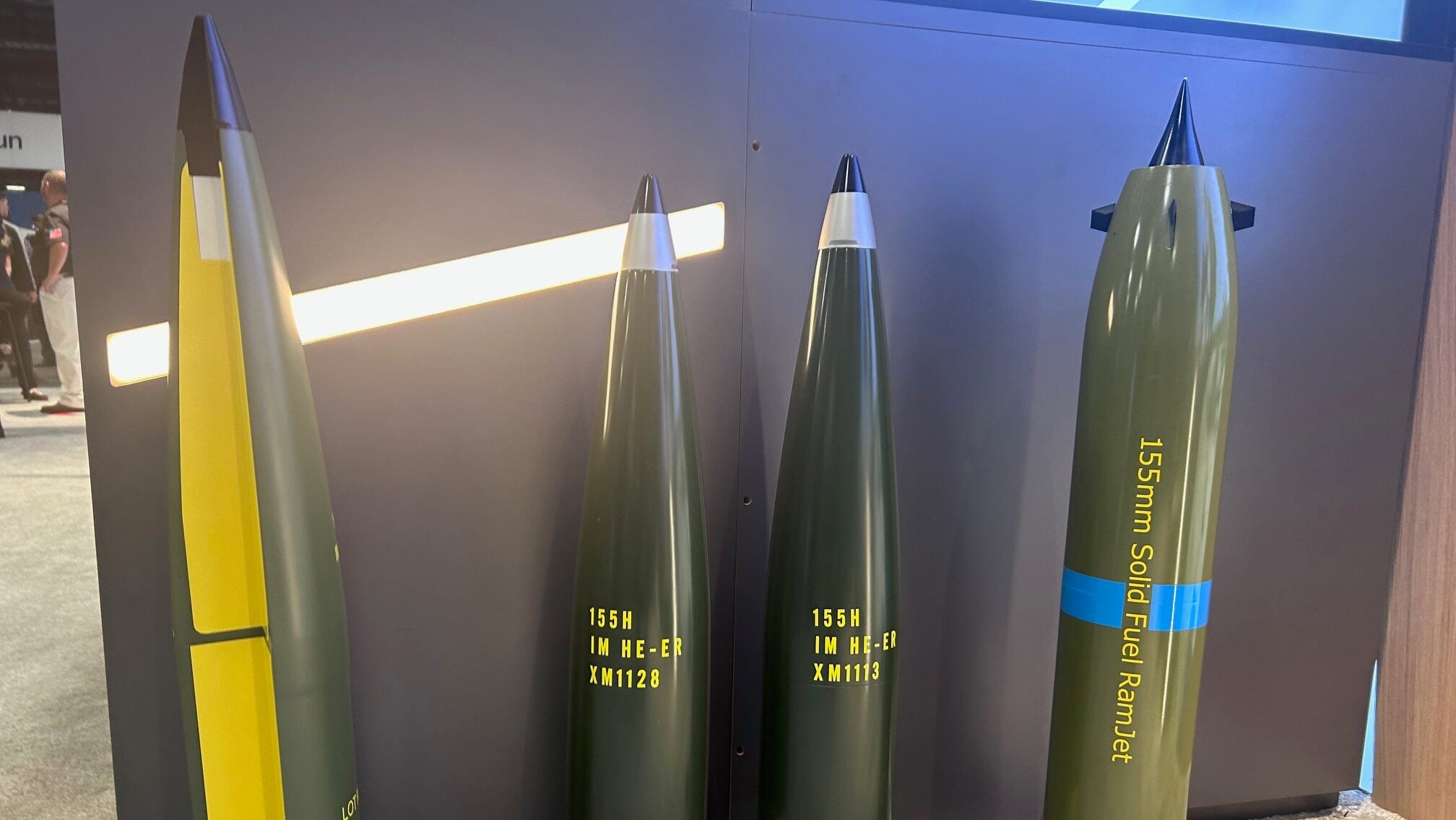
One agreement with Rheinmetall Denel Munition includes shells and propellants for Sweden’s Archer artillery system, while a separate framework deal with Nordic manufacturer Nammo Sweden involves 155 mm high-explosive extended-range shells.
"We are intensively expanding our production capacity, increasing the quantitative volume and dynamically acquiring competences and technologies to produce the necessary types of weapons," said Adam Leszkiewicz, president of the management board of PGZ, in a statement.
An Army "show cause" letter, obtained by Breaking Defense, threatens to cancel General Dynamics Ordnance and Tactical Systems management of a government-owned production facility.
“Reshoring TNT production gives us the ability to control and secure our supply chain for this vital component, especially in an era of increasing global challenges,” said Army acquisition head Doug Bush.
"Producing GMLRS missiles in Australia is the stepping stone towards local production of more advanced, longer-range strike weapons in the future – local production that is essential to our sovereignty and our security," Minister of Defense Industry Pat Conroy said.
Speaking to Breaking Defense, defense procurement minister Pat Conroy said Australia is building in “scalability beyond our domestic need” to be able to help supply international customers for munitions production.
"What characterizes war, it's a battle of will and magic bullets don't exist. There is certainly a need for precision and really high-end weapon systems, but there's also a need for mass, relatively inexpensive weapon systems." Australian Maj. Gen. Vagg told Breaking Defense.
"So I think we could, with some additional investment, we could significantly increase our output, and we could do more to support the combined allied effort. ... I think Australia could lean forward more and actually support the Allied effort, including the US and its preparations in the Indo-Pacific region," NIOA CEO Rob Nioa said.
The "framework agreement" is the latest in a recent series of ammo-related international moves by the German defense giant.
“The order is primarily intended to increase the stocks of the German Armed Forces and its allies and to support Ukraine in its defensive struggle” said the German manufacturer.
Northrop’s coproduction agreement is the first publicly acknowledged deal between a US defense prime and the Ukrainian government for a manufacturing project inside Ukraine.